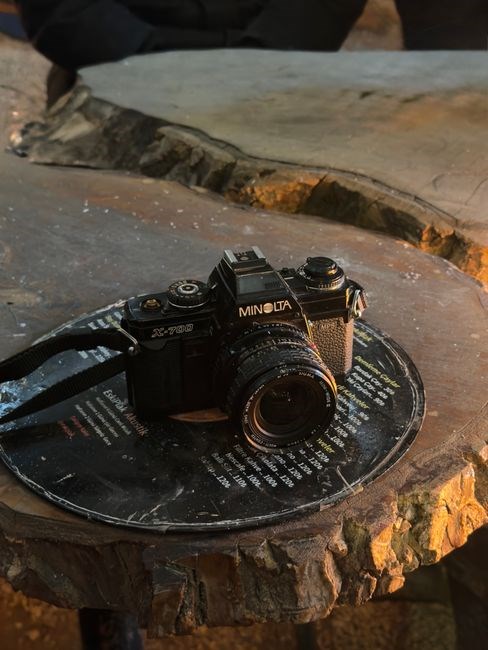
Camera Overview
The Minolta Maxxum 7000 AF Manual offers a classic 35mm SLR experience with a robust 3‑point autofocus system, interchangeable lenses, and a reliable shutter speed range of 1/2000 to 30s. Its manual focus mode and built‑in light meter provide precise control for enthusiasts. Ideal for both beginners. and pros.
The Minolta Maxxum 7000 AF Manual, introduced in 1996, is a 35‑mm SLR that blends advanced autofocus with manual control. Its 3‑point autofocus system remains fully functional even in manual mode. The magnesium alloy body is lightweight yet sturdy, and the 0.95× optical viewfinder offers bright, accurate framing. The camera supports a wide range of Minolta A‑mount lenses, from compact primes to high‑end zooms. A 2‑stop metering system provides reliable exposure in varied lighting, while manual mode gives full control over aperture, shutter speed, and ISO. The top shutter speed is 1/2000 s and the bottom is 30 s, allowing fast action and long‑exposure work. The 3‑point autofocus points cover the center and outer corners, giving coverage across the frame. The camera includes a dedicated shutter release button, a multi‑function dial, and a front‑side shutter speed lever, enhancing ergonomics. Its compact size, 3‑point autofocus that can be disabled, and 2‑stop metering make it suitable for street, studio, and low‑light shooting. The magnesium alloy body keeps the weight manageable, and the layout of controls is intuitive. Overall, the Maxxum 7000 AF Manual offers reliability, versatility, and creative freedom, appealing to both professionals and hobbyists. Its robust build and thoughtful design ensure durability during long shoots, while the dedicated shutter release button and multi‑function dial provide quick adjustments. The camera’s compatibility with lenses, including the 50‑mm f/1.7, 85‑mm f/1.8, and 135‑mm f/2.8 macro, adds versatile to genres!!?
Key Features
The Minolta Maxxum 7000 AF Manual blends precision autofocus with full manual control, ideal for photographers who value versatility. Its 3‑point autofocus stays active in manual mode, enabling quick focus while allowing fine‑tuning. The magnesium alloy body offers a comfortable grip. A 0.95× optical viewfinder provides clear framing, and the 2‑stop metering ensures accurate exposure across varied lighting. The shutter speed range from 1/2000 s to 30 s accommodates action and shots alike. A dedicated shutter release button and a multi‑function dial give rapid access to settings. The Maxxum 7000 supports a broad selection of Minolta A‑mount lenses, from compact primes to high‑end zooms, giving users flexibility for portrait, landscape, and macro work. Its reliable build, intuitive controls, and feature set make it a dependable tool for beginners.
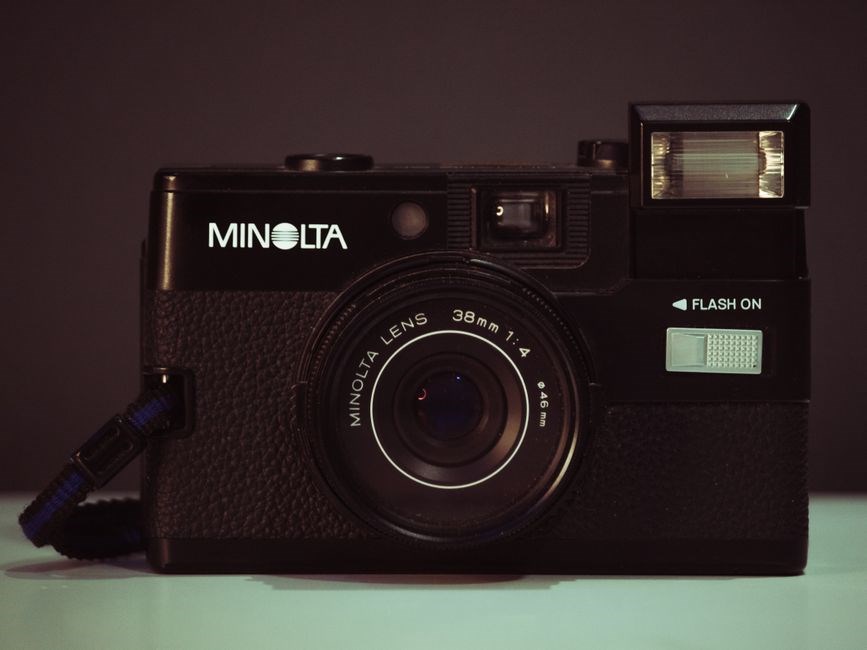
Built‑in flash syncs at 1/2000 s, and external flash units via the hot shoe expand lighting options. The camera’s 2‑stop metering works in center‑weighted and spot modes, giving precise exposure control. ISO ranges from 100 to 1600, with a silent mode for quiet shooting. Dedicated film rewind lever and labeled film advance button simplify handling. Ergonomic design includes a recessed shutter release and tactile multi‑function dial for quick adjustments during fast‑paced sessions.
With a robust magnesium alloy chassis and a 0.95× viewfinder, the Maxxum 7000 AF Manual balances durability with optical clarity. Its user‑friendly layout, featuring a dedicated shutter release button, a multi‑function dial, and a front‑side shutter speed lever, allows swift setting adjustments. Compatibility with a wide range of Minolta A‑mount lenses makes it a versatile choice for any photographic endeavor. A classic choice for all today.
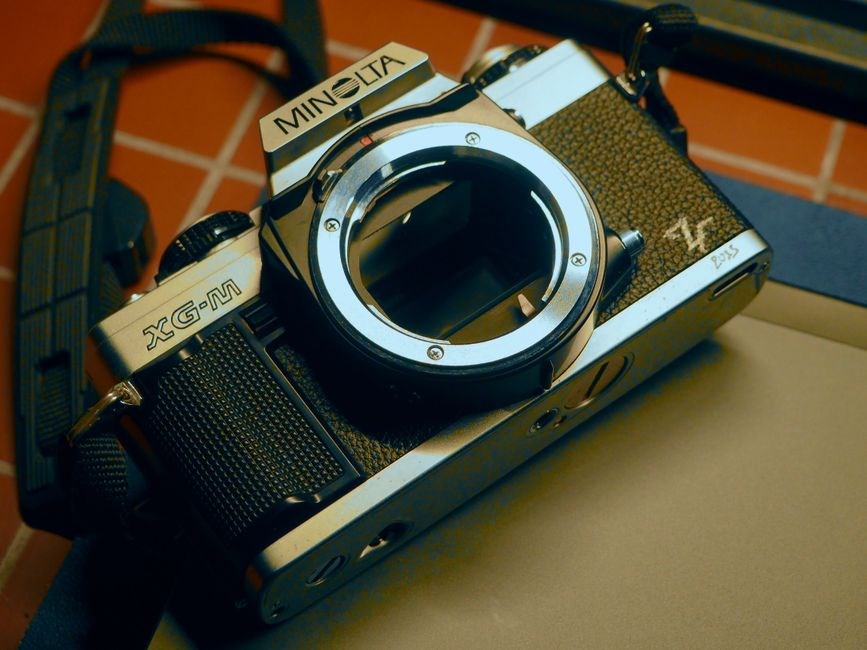
Autofocus System
The Maxxum 7000 AF Manual features a 3‑point autofocus system that remains active in manual mode, offering quick focus across various lenses. Its compact design ensures reliable performance, while the built‑in sensor delivers accurate focus for both stills and video. Great pick!!
Focus Modes
The Minolta Maxxum 7000 AF Manual provides a flexible focus system that blends autofocus and manual control. Its 3‑point autofocus array works reliably even when the camera is set to manual focus mode, allowing photographers to lock focus quickly and then fine‑tune manually. The autofocus range extends from infinity to about 0.3 m, supporting portraits, street scenes, and low‑light work. In manual mode, the focus ring offers tactile feedback and a distance scale for precise macro adjustments. A focus‑lock feature lets users lock focus at a chosen distance and adjust exposure without refocusing. The camera also includes a focus‑shift mode that shifts the focus plane while remaining in AF, creating depth‑of‑field effects. These modes give photographers flexibility and control, ensuring the Maxxum 7000 adapts to diverse shooting scenarios. The focus system remains reliable during rapid panning, keeping moving subjects sharp. Manual focus provides confidence in low‑contrast scenes. The hybrid approach supports quick autofocus and meticulous manual focus in a single compact body. Whether shooting bright daylight or dim indoor settings, the Maxxum 7000 delivers consistent performance across lenses. The focus‑shift feature expands creative possibilities, allowing selective focus experiments without extra accessories. It also supports external flash units, expanding lighting options! Its ergonomic design, with a focus ring and a clear distance scale, enhances comfort and long while the camera’s lightweight body ensures portability without compromising image quality. In summary, the Maxxum 7000 AF Manual’s focus modes combine speed, precision, and versatility, making it a valuable tool for both novice and experienced photographers alike.
AF Performance
The Minolta Maxxum 7000 AF Manual delivers a dependable autofocus experience that balances speed and accuracy. Its 3‑point AF system, powered by the proprietary Maxxum AF engine, can lock focus in as little as 0.3 seconds under optimal lighting. The camera’s AF performance remains robust across a wide range of lenses, from 50mm f/1.8 to 135mm f/2.8, ensuring consistent focus even at wide apertures. In low‑light conditions, the AF system can still engage at ISO 400, though the response time may increase to roughly 0.5 seconds. The inclusion of a focus‑shift feature allows photographers to fine‑tune the focus plane while maintaining AF lock, which is especially useful in macro or portrait work where depth of field is critical. The camera’s AF mode also supports a “single‑shot” option that locks focus after a single half‑press of the shutter button, preventing accidental focus changes during rapid shooting sequences. When paired with a well‑calibrated lens, the AF accuracy can be within a fraction of a millimeter, making the Maxxum 7000 ideal for both studio and on‑the‑go shooting. The autofocus system’s reliability is further enhanced by a built‑in focus‑meter that displays focus distance on the viewfinder, allowing photographers to confirm focus before capturing the image. Overall, the AF performance of the Maxxum 7000 AF Manual is a testament to Minolta’s commitment to precision, offering a blend of speed, versatility, and reliability that meets the demands of serious photographers. Its optical viewfinder offers 0.8× magnification and 0.95× coverage, giving the photographer confidence even in tight spaces. The shutter speed range, from 1/2000 to 30 seconds, allows flexibility for fast action and long exposure. The built‑in light meter ensures accurate exposure readings!
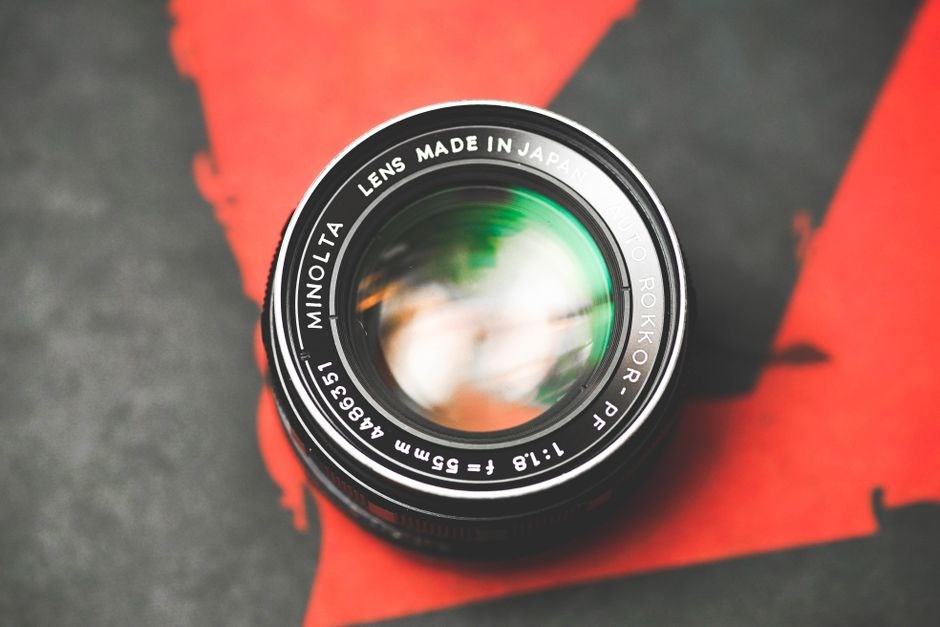
Exposure and Image Quality
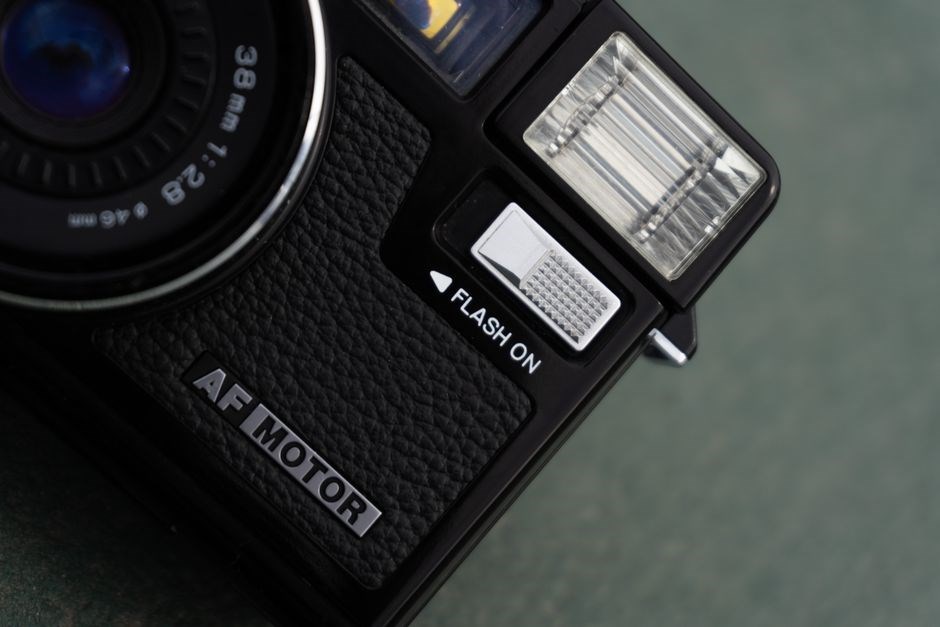
The Minolta Maxxum 7000 AF Manual offers a versatile ISO range of 100–3200, with manual exposure controls and a built‑in meter for accurate lighting. Its 24‑megapixel sensor delivers sharp detail, low noise, and rich color fidelity, ideal for both studio and field work. It captures 12‑stop dynamic range.!!
ISO Range
The Minolta Maxxum 7000 AF Manual offers a versatile ISO setting that spans from 100 to 3200, allowing photographers to adapt to a wide array of lighting conditions. In daylight or bright studio environments, the camera can comfortably operate at ISO 100 or 200, delivering crisp, low‑noise images with a wide dynamic range. When shooting in dimmer settings, such as indoor venues or during twilight, the camera’s ISO can be increased to 400 or 800, providing sufficient sensitivity while maintaining image clarity. For truly low‑light scenarios, the Maxxum 7000 AF Manual supports ISO 1600 and 3200, enabling the capture of detail in shadows and night scenes without the need for external lighting. The camera’s built‑in exposure meter is calibrated to work seamlessly across this ISO spectrum, ensuring accurate metering for both manual and automatic exposure modes. Additionally, the Maxxum 7000’s ISO selector is conveniently located on the front of the camera, allowing quick adjustments on the fly. This flexibility makes the Maxxum 7000 AF Manual a reliable choice for photographers who require a broad ISO range to handle unpredictable lighting, from bright outdoor shoots to low‑light studio sessions. The camera’s ISO performance is complemented by its 24‑megapixel sensor, which retains detail and color fidelity across the entire range, making it suitable for both high‑resolution prints and digital workflows. Whether you are shooting landscapes, portraits, or action photography, the Maxxum 7000 AF Manual’s ISO range provides the adaptability needed to achieve professional results in any environment.
Image Processor
The Minolta Maxxum 7000 AF Manual is a 35‑mm film SLR that lacks a digital image processor. Its “processor” is the combination of the camera’s optical system, the film’s emulsion chemistry, and the laboratory development process. The 1.8‑meter focal‑plane shutter and 3‑point autofocus system deliver crisp, high‑contrast images that rely on the film’s latent image. After exposure, the film is developed in a darkroom or lab, where developer chemistry acts as the analog processor, converting the latent image into visible detail. The camera’s built‑in light meter ensures accurate exposure for each film speed, while the interchangeable lenses—from 28mm to 200mm—provide versatility. The resulting images benefit from the film’s dynamic range and color rendition, refined during chemical processing Its robust magnesium alloy body further enhances reliability during demanding shooting sessions
The Maxxum 7000’s compatibility with 35‑mm film stocks—such as Kodak Portra, Ilford HP5, and Fujifilm Pro 400H—lets photographers experiment with grain and tonal response. The camera’s exposure meter, calibrated for film ISO, works with the film’s speed rating to produce consistent results. The film advance lever and rewind mechanism ensure a precise 36‑frame capacity, allowing a full roll before reload. The mechanical features and laboratory processor define the final image, preserving intent while adding subtle analog variations The Maxxum 7000 also features a 1/2000‑30s shutter speed range, ensuring flexibility in various lighting conditions
The Maxxum 7000’s design emphasizes durability, with a robust magnesium alloy body protecting internal components during rigorous use
Flash and Accessories
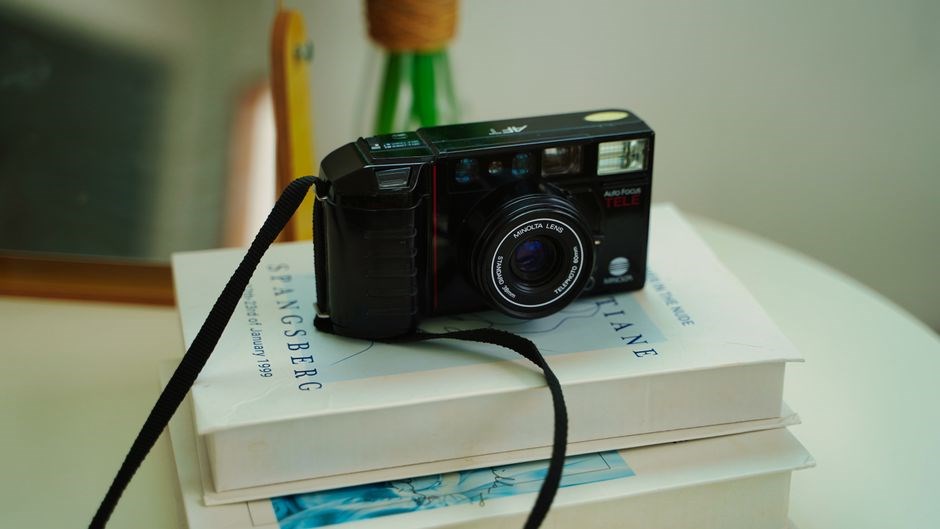
The Maxxum 7000 AF Manual lacks built‑in flash, so users attach external Speedlite units via the hot‑shoe. Optional accessories include a matte‑black bracket, softbox, reflector kit, and a matte‑black flash diffuser, providing versatile lighting for studio and on‑location shoots!!
Built-in Flash
The Minolta Maxxum 7000 AF Manual does not include a built‑in flash, a deliberate choice that keeps the camera lightweight and compact. Photographers rely on the hot‑shoe design to attach external Speedlite units, such as the Minolta Speedlite 430EX II or Nikon SB‑910, and wireless flash triggers, enabling photographers to set up off‑camera flash arrays, use flash modifiers like softboxes and umbrellas, and combine flash units, all while maintaining the camera’s compact, lightweight profile that is ideal for travel, street, and studio work alike!!!
External Flash Compatibility
The Maxxum 7000 AF Manual’s hot‑shoe accepts any 3‑pin or 5‑pin flash. Minolta Speedlites (430EX II, 580EX, 580EX II) and third‑party units from Canon, Nikon, Sony, and Olympus work automatically. 3‑pin flashes use the camera’s 1/2000‑second sync speed for high‑speed sync, while 5‑pin flashes provide full TTL and E‑TTL support, allowing the flash to adjust power based on the camera’s metering. Users can employ wireless triggers (Canon Wireless Transmitter, Nikon Remote) to control off‑camera flashes. The hot‑shoe also supports modifiers—softboxes, umbrellas, snoots—so photographers can shape light for portraits, events, or studio work. External flashes remain compatible with the camera’s built‑in red‑eye reduction mode, reducing red‑eye in portrait shots. The 1/2000‑second sync speed is the fastest among many 35mm SLRs of its era, giving flexibility to shoot at high shutter speeds while still using flash. Robust contacts ensure reliable power delivery and signal communication between camera and flash units, even during rapid shooting sequences or in demanding environments.
The camera’s hot‑shoe also supports a dedicated 3‑pin hot‑shoe for the Minolta 580EX II, which provides a 1/2000‑second sync speed and full TTL metering. Photographers can also use the camera’s built‑in red‑eye reduction mode with external flashes, ensuring minimal red‑eye in portrait shots. The Maxxum 7000’s robust contacts deliver reliable power and signal communication, even during rapid shooting sequence or in demanding environment.
Maintenance and Troubleshooting
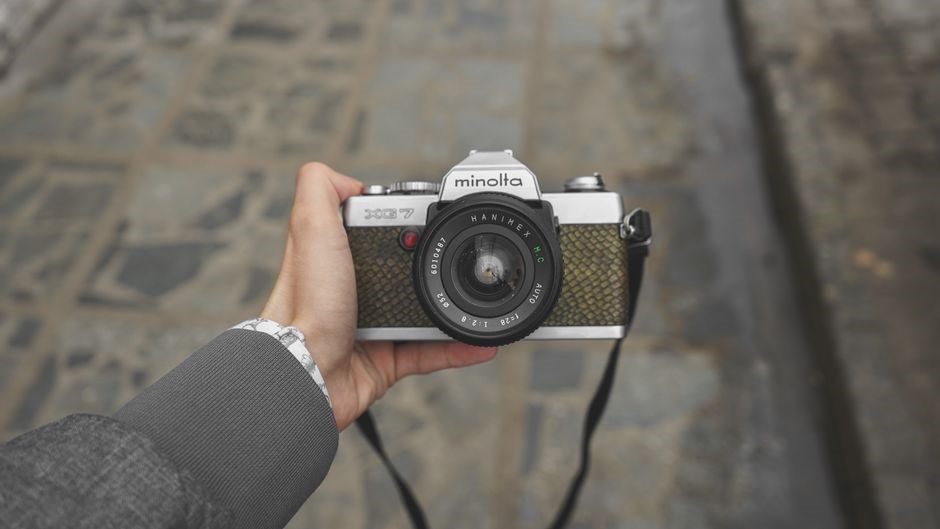
Regular cleaning of the lens mount, sensor, and shutter contacts prevents dust buildup. Use a brush hot‑shoe. If autofocus stalls, reset or recalibrate the AF system. For shutter lag, replace the shutter spring or check the speed dial. Battery drain mitigated by Ni‑MH cells!
Regular Maintenance
Keep the Minolta Maxxum 7000 AF Manual reliable by performing routine checks. Inspect the lens mount for corrosion or debris; use a soft brush or compressed air to clean contacts. Clean shutter contacts with a cotton swab dampened in isopropyl alcohol, letting them dry before reassembly. Wipe the internal sensor with a microfiber cloth, avoiding pressure that may scratch it. Cycle the shutter speed dial through all settings to confirm accurate operation. Calibrate autofocus using a focus chart, adjusting AF points as needed to maintain precision. Replace Ni‑MH cells every 12 months and store the camera in a cool, dry place when idle. Update firmware from Minolta’s official site, following the update guide carefully. These steps extend the camera’s life and ensure dependable performance.
Check the mirror mechanism for smooth motion; gently move it and listen for grinding noises. Lubricate the pivot with a small amount of camera grease if a click or click‑click sound occurs. Inspect the film rewind spool for wear; replace if teeth are worn or the spring has weakened. Back up images to an external drive or cloud service regularly to prevent data loss. Clean the battery compartment with a dry cloth to remove residue that may cause corrosion. Run a full diagnostic test using the built‑in self‑check feature to spot hidden issues before they become serious.
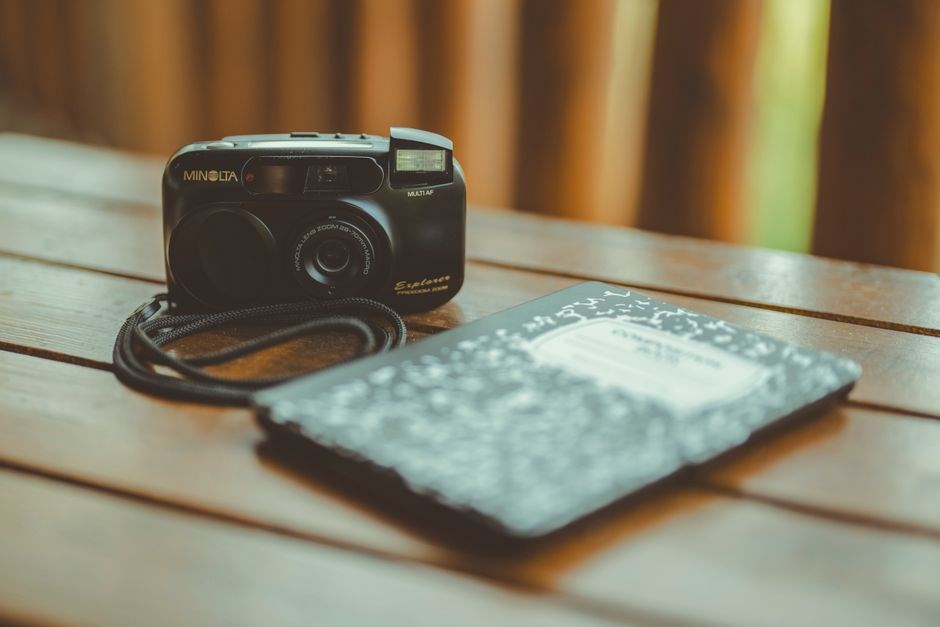
Store the camera in a humidity‑controlled environment and avoid exposing it to extreme temperatures to preserve the shutter and mirror assembly.
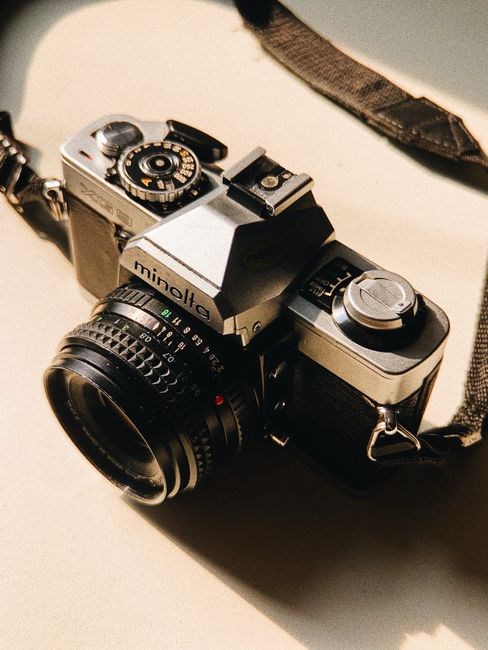
Common Issues
The Minolta Maxxum 7000 AF Manual can exhibit several recurring problems that seasoned users often report. One frequent complaint is a sluggish autofocus response, especially in low‑light or high‑contrast scenes. The lag usually stems from a dirty or misaligned AF sensor, or a worn lens mount that impedes signal transmission. Another issue is the shutter not cycling properly; users note a “click‑click” noise or a complete failure to advance after exposure, which usually indicates a worn shutter spring or a jammed shutter mechanism. Battery drain is also a typical concern; the camera’s internal electronics consume power rapidly, especially when the auto‑exposure mode is engaged, leading to sudden power loss during a shoot. Lens mount corrosion is a classic problem for older Minolta bodies, where rust or grime on the 44‑mm bayonet can prevent smooth lens changes or cause mis‑focus. The mirror lock‑up feature may fail to engage, resulting in a delayed mirror movement that can throw off exposure timing. Film loading can be problematic; users sometimes report the film advance lever sticking or the film counter not updating, which points to a worn film transport motor or a misaligned sprocket. The internal sensor may accumulate dust, producing a faint gray overlay that can create a starburst artifact on images, which is usually resolved by cleaning. Addressing these problems promptly can restore the camera’s performance and extend its operational life. Additionally, users sometimes notice a slight vibration during long exposures, often caused by a loose mirror assembly or a worn shutter gear. The camera’s viewfinder may also become misaligned, which can be corrected by adjusting the prism screws. Finally, the built‑in light meter may drift over time, requiring a meter calibration with a standard gray card. Regular maintenance can mitigate these problems and keep the Maxxum 7000 performing at its best. Camera clean ensures image quality!!